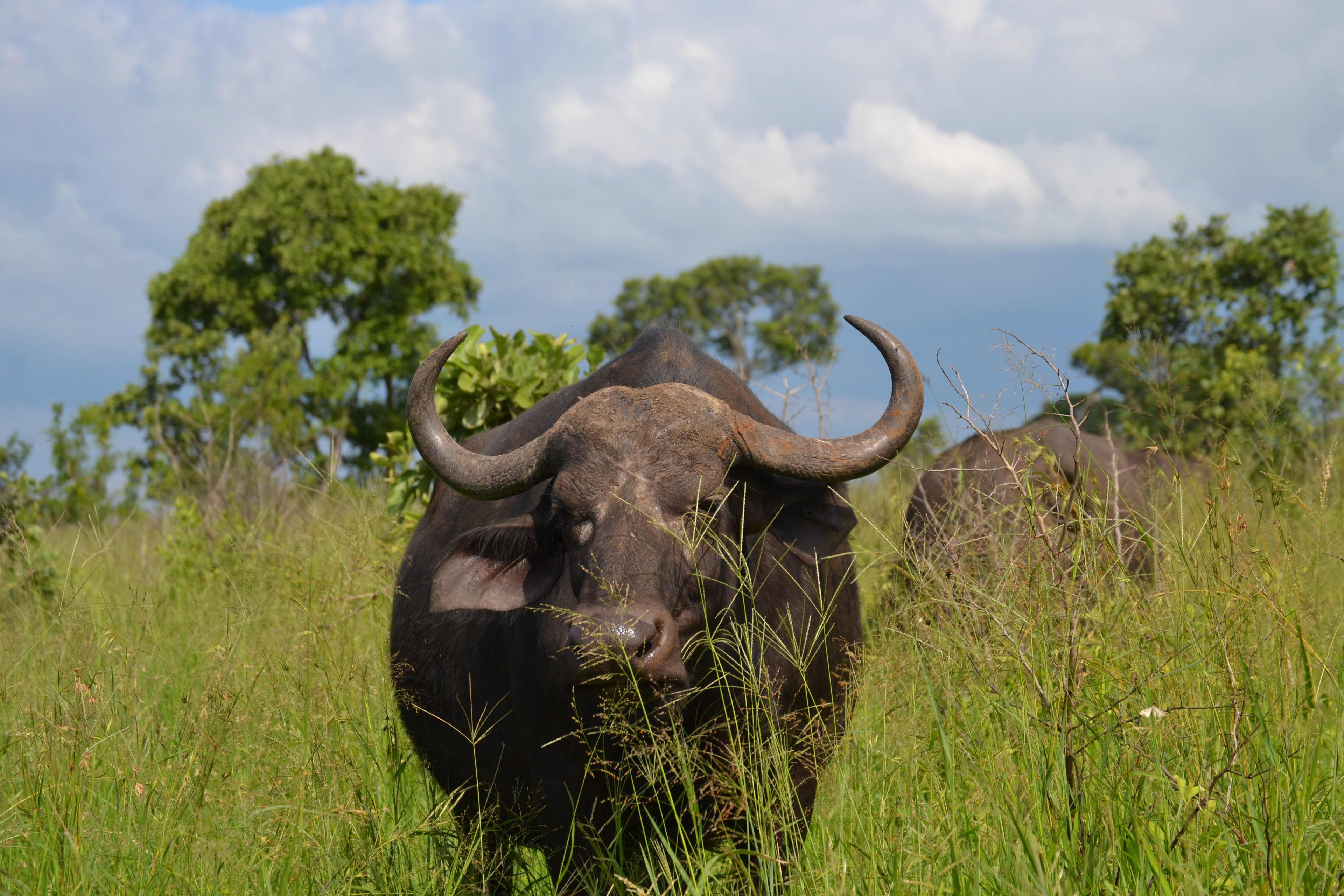

by Canine Safaris Ltd, 2 min read
Most people picture a safari from the seat of a vehicle. Lake Mburo National Park offers something rarer in Uganda: the chance to step out and walk, with an armed ranger beside you, through the same open country that zebras and antelope graze. It is the first thing we suggest to guests who want a safari that feels personal.
Why walking is possible here
The Uganda Wildlife Authority (opens in a new tab) lists guided walking safaris among the park's main activities and notes that the park has no elephants. With fewer large dangerous animals than in other savanna parks, rangers can lead small groups on foot in carefully chosen areas. The rangers carry rifles as a precaution, know the terrain and read animal behaviour in a way that keeps everyone safe.
How a walk works
You meet your ranger at the start point, hear a short safety briefing and set off in a small group. The pace is gentle, and the ranger stops often to point out tracks, dung, bird calls and animal behaviour that you would drive straight past. You walk in single file, keep your voice low and stay behind the ranger when you stop.
Walks are usually timed for the cooler hours after sunrise, when animals are active and the light is soft. Confirm start times and duration when you book, because they depend on the ranger team and the season.
What you might see
- Zebras and impalas, often at close range. UWA names Lake Mburo as one of the best places in Uganda to see zebras
- Warthogs, topis, elands and waterbucks on open ground and at woodland edges
- Many of the park's more than 315 bird species in the acacia and wetland margins
- Smaller details such as dung beetles, termite mounds, tracks and medicinal plants
You are less likely to see big predators on foot, and that is by design. The point of the walk is to slow down and notice.
What to wear and bring
Wear neutral colours, closed shoes and long trousers or lightweight convertibles to protect against ticks and thorns. Carry water, a hat, sunscreen and binoculars, and keep your camera strap short. Bright colours and strong perfume are best left behind. Our Uganda safari packing list has a full checklist.
Who the walk suits
Most healthy adults can manage a morning walk at an easy pace. Rangers decide what is appropriate for each group, so tell them about any mobility limits or children in your party. For families, a boat trip and a game drive are easy alternatives, and our guide to a Uganda safari with children suggests how to mix them.
Turn a walk into a short safari
A walk fits neatly into a night in the park. Arrive in the afternoon for a game drive, sleep near the park and walk at first light. If you only have a day, start early from Mbarara, walk in the morning and finish with a boat trip. Our 2 day Lake Mburo nature walk safari is built around exactly that rhythm, and you can ask us to add an Ankole culture stop.
Places in this post
Frequently asked questions
Is a walking safari at Lake Mburo safe?
Walks are led by an armed ranger who keeps a safe distance from animals, and the park has no elephants. You follow the ranger's instructions at all times.
How long is a Lake Mburo nature walk?
Walks typically take a few hours, but the length depends on the route and the animals around. Confirm the timing when you book.
What time of day is best for a walk?
Early morning, when it is cool and animals are active. Late afternoon walks can also be rewarding in the drier months.
Can I do the walk as a day trip from Mbarara?
Yes. The park gates are under an hour away, so an early start gives you a morning walk and an afternoon boat trip. A night in the park lets you add an evening drive.
Sources and further reading
- Lake Mburo
- walking safari
- zebras
- birding
- day trip from Mbarara