by Canine Safaris Ltd, 2 min read
Uganda welcomes visitors every year for gorillas, big game, birds and the Nile, and most trips pass without incident. That does not mean safety can be ignored. This guide covers the practical points we talk through with every guest, and tells you where to find the official advice for your own country.
Start with official advice
Governments publish travel advice that changes with events on the ground. Read the UK Foreign, Commonwealth and Development Office advice for Uganda (opens in a new tab) and the equivalent advice from your own government before you book, and check it again shortly before you fly. We will tell you if anything affects your route.
Roads
Road travel is the main everyday risk. Highways are busy with trucks, buses, boda-bodas and pedestrians, and conditions vary. We advise driving in daylight, using professional driver-guides who know the roads and avoiding long night journeys. Our guide to getting from Entebbe to Mbarara explains how we plan sensible days.
Cities and petty theft
In Kampala and other busy towns, keep phones and bags out of sight near open windows, avoid walking alone late at night, and use registered taxis or arranged transfers. Leave valuables in the lodge safe, and carry only the cash you need.
Wildlife and national parks
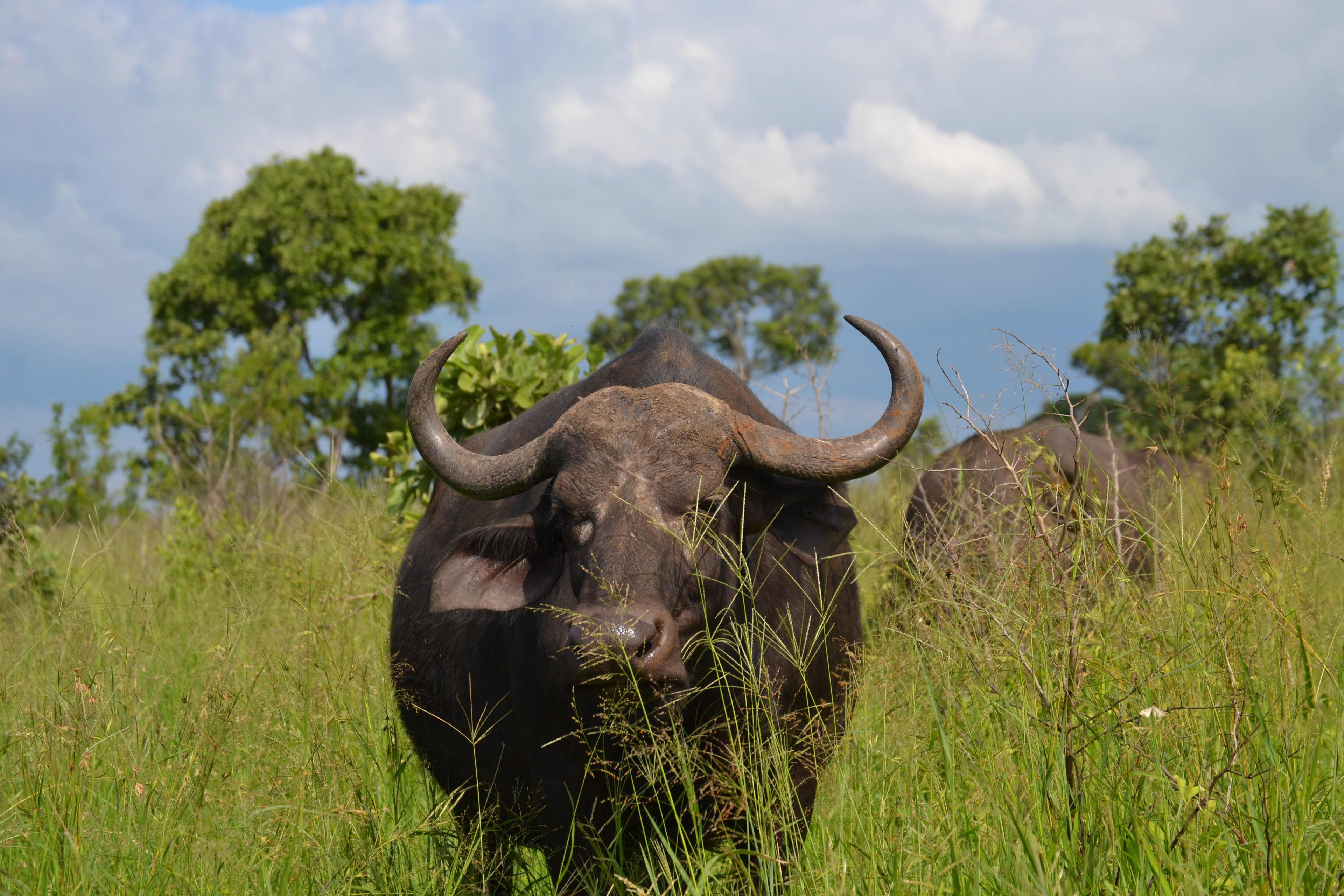
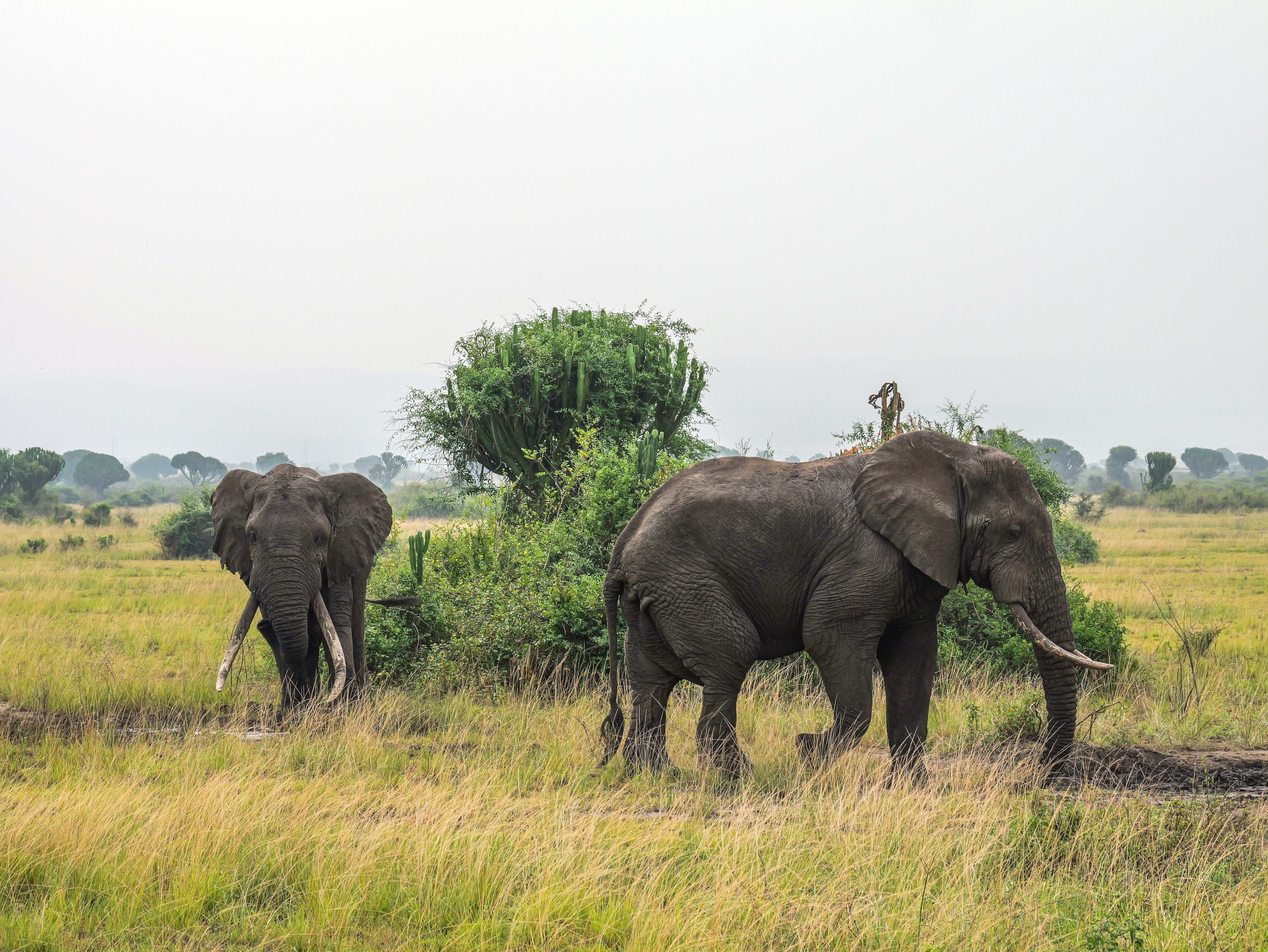
Parks are managed by the Uganda Wildlife Authority, and rangers set clear rules for walks, treks and boat trips. Follow instructions, keep your distance and never feed animals. Guided walks such as those at Lake Mburo are led by armed rangers who know the terrain.
Health
The CDC (opens in a new tab) recommends prescription anti-malarial medicine and a review of routine and travel vaccines for Uganda. Use insect repellent, drink bottled or treated water, avoid swimming in untreated freshwater and consider medical evacuation insurance. See a travel clinic several weeks before you travel.
Scams and online risks
Use only the official government portal to apply for your visa, and beware of lookalike sites. See our visa guide. Pay operators through clear channels, and check that a company is licensed with the Uganda Tourism Board (opens in a new tab).
Solo travellers and women
Many solo travellers, including women, visit Uganda. Choose reputable lodges, arrange transfers in advance, dress modestly in towns and trust your instincts. Local guides and drivers will also look out for you.
Respect local law and customs
Same-sex relationships are criminalised in Uganda, and the law carries severe penalties. LGBTQ+ travellers should read the specific guidance from their own government. Photography of military and government buildings and the airport is restricted, so ask before you take a picture.
In an emergency
Save the numbers you may need before you set off: your operator, your lodge, your insurer and your embassy. The main police emergency lines in Uganda are 999 and 112. If you are on a trek or boat trip, tell the ranger or crew straight away, because they can radio for help. Keep a copy of your insurance details on your phone and on paper.
How we plan for safety
We plan with professional driver-guides, sensible route timing and reputable lodges, and we explain what to expect at each stop. Tell us about any concerns through the plan your trip page, and read our first-time FAQs for more preparation.
Places in this post
Frequently asked questions
Is it safe to go on safari in Uganda?
Safari travel is well established and most visitors have trouble-free trips. Use licensed operators, follow ranger instructions and read official travel advice.
Is Kampala safe to walk around?
Take normal city precautions: keep valuables out of sight, avoid walking alone at night and use arranged transfers.
Is Uganda safe for solo female travellers?
Many women travel solo. Choose reputable lodges, arrange transfers in advance and follow local advice.
Where can I find official travel advice?
Your own government's foreign office publishes advice, such as the UK FCDO page for Uganda (opens in a new tab). Check it before you book and before you fly.
Sources and further reading
- safety
- travel advice
- health
- planning
- first time